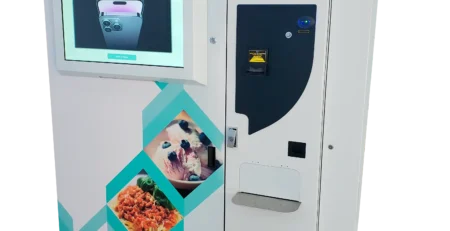


The 10 Best Dishes for Your Mida Hot Food Vending Machine
Hot food vending has moved far beyond sandwiches and reheated pastries. With machines like Mida, Bicom Vending’s flagship hot and cold food vending system, operators can now offer a genuinely restaurant-quality menu, cooked or heated on demand, twenty-four hours a day, without a single member of kitchen staff on site. But a great machine is only half the equation. The other half — arguably the more important half — is the menu itself.
Choosing the right dishes for a Mida installation is not a matter of taste alone. It is a business decision that touches shelf life, packaging compatibility, heating time, portion consistency, waste management, and above all, what will make a hungry customer walk up to the machine, tap the screen, and order again tomorrow. In this article, we break down the ten best-performing dish categories for Mida machines, explain why each one works so well in an automated retail environment, and offer practical guidance on sourcing, packaging, and rotation so you can build a menu that keeps customers coming back.
Why Menu Selection Matters More Than the Machine
It is tempting to think of a hot food vending machine as a purely mechanical proposition: install the unit, stock it, and wait for revenue. In reality, the machine is simply the delivery mechanism. What actually drives repeat purchases is the quality, variety, and reliability of what comes out of it. A location with the best equipment in the world will underperform if the menu is monotonous, if dishes don’t reheat well, or if the packaging doesn’t hold up to the specific heating technology inside the unit.
Mida was engineered specifically to solve this problem. It stores refrigerated or frozen ready meals and brings them to serving temperature using a combination of heating technologies — turbo microwave, hot air, steam, and infrared, depending on configuration — so that pasta comes out al dente, pizza retains a crisp base, and main courses keep their proper texture instead of turning rubbery or soggy. That flexibility is precisely what opens the door to a much wider menu than older-generation machines could ever support. The ten dishes below are the categories that consistently perform best across Mida installations, from corporate offices and hospitals to universities, transport hubs, and residential buildings.
Classic Italian Pasta Dishes
Pasta is, without question, the cornerstone of a well-built Mida menu. It is inexpensive to produce at scale, travels well in modified-atmosphere or vacuum packaging, and — critically — reheats beautifully when the machine’s heating cycle is properly calibrated. Dishes like penne all’arrabbiata, lasagna alla bolognese, spaghetti al pomodoro, and creamy risottos are consistently among the top sellers in Mida installations across Italy and the rest of Europe.
There are a few reasons pasta performs so well in a vending context. First, it is a category customers already trust as a “reheated” food; nobody expects a bowl of pasta from a machine to taste exactly like a sit-down restaurant, but they do expect it to taste like a good frozen or chilled meal done properly, and pasta consistently delivers on that expectation. Second, the format is forgiving: a well-designed tray keeps sauce separated from pasta shape long enough to avoid sogginess, and the turbo microwave technology inside Mida is specifically tuned to bring starches to the right consistency without overcooking the exterior while the center remains cold — one of the most common failure points in lower-end machines.
From an operator’s perspective, pasta also offers excellent margins. Ingredients are inexpensive relative to protein-heavy dishes, shelf life in chilled or frozen format is long, and portion sizes are easy to standardize. A rotating pasta menu — three or four options that change through the week — is one of the simplest ways to build perceived variety without significantly increasing supply chain complexity.
Best practice: separate the sauce from the pasta in the packaging where possible, use trays with a slightly raised base to prevent pooling, and rotate at least two vegetarian pasta options alongside meat-based ones to widen your addressable customer base
Grain Bowls and Buddha Bowls
The rise of health-conscious eating has made grain bowls one of the fastest-growing categories in automated retail generally, and Mida is particularly well suited to them because it can manage a very broad assortment of tray shapes, container types, and product dimensions from a single machine. A well-built grain bowl — quinoa or farro as a base, roasted vegetables, a protein such as grilled chicken or chickpeas, and a light dressing packaged separately — hits several demand drivers at once: it reads as healthy, it is visually vibrant on a touchscreen menu, and it satisfies dietary patterns (high-protein, gluten-free, plant-forward) that are increasingly common among office and hospital populations.
Grain bowls are also operationally attractive because they typically require less aggressive heating than pasta or pizza — sometimes only a gentle warm cycle, or none at all if served cold — which reduces energy cycling on the machine and shortens the customer’s wait time at the point of sale. Faster dispensing cycles directly increase throughput during lunch rushes, which matters enormously in high-traffic locations like corporate campuses.
Tip for operators: keep dressing, nuts, or anything that loses texture under heat in a small separate compartment within the packaging, and let the customer combine it after collection. This single packaging decision noticeably improves perceived quality.
Traditional Lasagna and Baked Pasta
Lasagna deserves its own category separate from general pasta dishes because it behaves differently in a vending context and because it consistently ranks as one of the single best-selling individual SKUs across hot food vending networks. Baked pasta dishes — lasagna alla bolognese, cannelloni, baked ziti — have layered structures that respond extremely well to Mida’s combined heating cycle, because the layered format retains moisture internally (preventing the dryness that plagues microwave-only reheating) while the top layer of cheese browns appropriately when infrared or hot-air elements are engaged.
Lasagna also has a psychological advantage: it is widely perceived as a “proper meal” rather than a snack, which supports a higher price point than lighter dishes and drives strong performance during lunch and dinner windows specifically, as opposed to grazing purchases throughout the day. For operators building a limited but high-performing menu, at least one baked pasta dish should almost always be included, given its consistent position among top sellers.
Risotto Varieties
Risotto occupies an interesting middle ground between the comfort-food appeal of pasta and the premium positioning of a more refined dish. A well-executed mushroom risotto, saffron risotto alla milanese, or a seasonal vegetable risotto signals a level of culinary ambition that helps differentiate a Mida installation from a generic snack machine, which matters enormously in premium locations such as executive floors, boutique hotels, or upscale residential buildings.
From a technical standpoint, risotto is one of the dishes that benefits most from Mida’s precision heating, because rice dishes are notoriously easy to overcook into mush or undercook into a hard, starchy center when reheated carelessly. The combination of controlled turbo microwave power and even heat distribution allows risotto to retain the creamy-but-textured consistency that defines the dish, something that is genuinely difficult to achieve with older or lower-spec vending hardware. Because risotto photographs well and has an unmistakable visual identity on a product screen, it also tends to perform strongly as an impulse purchase among customers browsing the touchscreen menu rather than searching for something specific.
Meat and Poultry Main Courses
Main courses built around chicken, beef, or pork — cutlets, meatballs in sauce, braised beef, chicken with vegetables — round out a Mida menu by serving the segment of customers who want a heartier, protein-forward meal rather than a pasta or grain-based dish. These dishes tend to carry the highest price point on the menu, and for good reason: ingredient cost is higher, and the perceived value of a “meat and sides” plate is generally greater than that of a bowl of pasta.
The operational challenge with protein dishes is temperature uniformity — nothing damages trust in a vending machine faster than a piece of meat that is hot on the outside and cold in the center. This is exactly the class of problem that Mida’s monitoring systems are designed to prevent: sensors track storage temperature, cooking time, and ingredient freshness throughout the cycle, giving operators the consistency needed to serve meat dishes safely and repeatably. Braised or slow-cooked preparations tend to outperform grilled or pan-seared styles in a vending context, simply because they reheat more evenly and are more forgiving of the standardized heating cycle.
Recommendation: pair protein mains with a starch and a vegetable in the same tray, using a divided container to prevent flavors bleeding into one another and to keep textures distinct after heating.
Soups and Broths
Soup is an underrated category in hot food vending, but it performs exceptionally well in specific environments — hospitals, clinics, care homes, and any location with a strong winter seasonality. A hearty minestrone, a creamy pumpkin or squash soup, or a broth-based dish with vegetables and grains offers something that few other categories can: a genuinely comforting, easy-to-digest option that appeals to customers who might not want a heavy pasta or meat dish, including elderly customers or anyone recovering from illness.
Bicom Vending has specifically highlighted healthcare environments as one of the highest-value segments for hot food vending, precisely because hospitals, clinics, and care homes need round-the-clock food availability that a traditional kitchen or cafeteria schedule cannot always provide. Soup fits naturally into that use case. It is also one of the simplest categories to produce at scale, has excellent shelf life in sealed containers, and requires comparatively gentle heating, which again shortens dispensing time and reduces wear on the machine’s heating components over the long run.
International and Fusion Dishes
While Italian dishes form the backbone of most Mida menus — a natural fit given the machine’s Italian engineering heritage and the culinary standards it was built to meet — including two or three international options meaningfully broadens the customer base, particularly in cosmopolitan office environments, universities, transport hubs, and any location with a diverse workforce. Options like a Thai-style curry with rice, a Mexican-inspired burrito bowl, a Middle Eastern-style dish with couscous and roasted vegetables, or an Asian noodle stir-fry introduce variety that keeps regular customers from experiencing menu fatigue.
The key with this category is restraint: international dishes should be curated carefully rather than added simply for the sake of variety, because spice profiles, ingredient sourcing, and packaging requirements can differ significantly from the Italian dishes that make up the rest of the menu. Machines that manage this category well typically limit it to a small, well-tested rotation rather than a sprawling list, prioritizing dishes that are already familiar to a broad international audience — curry, stir-fry, burrito-style bowls — over anything highly niche that might confuse first-time customers browsing an unfamiliar touchscreen menu.
Breakfast and All-Day Formats
One of the most underexploited advantages of a machine like Mida is that it isn’t limited to lunch and dinner. Because it can hold both refrigerated and frozen products and heat on demand, it is entirely capable of serving breakfast items — savory pastries, egg-based dishes, breakfast bowls with grains and fruit — early in the morning, then transition seamlessly to lunch and dinner menus later in the day, and even serve lighter snack-style items overnight.
This breadth of product compatibility is a genuine structural advantage: it means a single Mida installation can serve breakfast, lunch, dinner, and late-night meal occasions from one machine footprint, which dramatically improves the revenue-per-square-meter economics compared to a machine that only performs well during a single daypart. For high-traffic 24-hour locations — transport hubs, hospitals, factories with shift work, university residences — building out at least a small breakfast rotation alongside the main lunch and dinner menu is one of the highest-leverage decisions an operator can make, because it captures demand during hours when almost no other food option is available.
Desserts and Sweet Treats
No menu is complete without something sweet, and desserts consistently perform as high-margin, high-frequency add-on purchases. Individually portioned tiramisu, chocolate lava cake, fruit tarts, or a simple panna cotta all work well in a Mida machine because desserts are typically far more forgiving of the heating and storage process than savory dishes — many are served chilled rather than heated, which simplifies logistics considerably, while a small number, like lava cake, actively benefit from a short heating cycle that a savory-focused machine can easily accommodate.
Desserts also serve an important psychological function in the overall menu: they lower the perceived risk of a purchase (a customer who isn’t sure about trying a new pasta dish for lunch might still be willing to add a small dessert), and they increase average transaction value without requiring the customer to make a second trip to the machine. Placing dessert options prominently on the touchscreen interface, ideally suggested alongside a main dish rather than buried in a separate menu category, is a simple merchandising technique that reliably increases attach rate.
Building a Balanced Mida Menu: Practical Guidelines
Selecting individual dishes is only the first step. The real skill in operating a successful Mida installation lies in combining these ten categories into a coherent, balanced menu that rotates intelligently over time. A few practical principles apply across virtually every location type:
Prioritize variety within consistency. Customers want to see new options over time, but they also want to be able to reliably order their favorite dish. A good rule of thumb is to keep two or three “anchor” dishes — typically a classic pasta and a lasagna or similar baked dish — permanently on the menu, while rotating four to six additional dishes on a weekly or biweekly basis across the remaining categories.
Match the menu to the location. A corporate office will skew toward pasta, grain bowls, and lighter international options during the lunch rush. A hospital or care facility will benefit more from soups, softer-texture main courses, and breakfast options available around the clock. A university residence or transport hub, with genuinely 24-hour demand, needs a menu that performs across all dayparts, including late-night snacking and desserts.
Respect packaging and heating compatibility. Every dish added to the menu should be tested specifically against Mida’s heating cycle before it goes live. Because the machine can handle a broad range of tray shapes and both ventilated and non-ventilated packaging (with the optional puncher device for the latter), operators have considerable flexibility, but that flexibility should be used deliberately rather than assumed. A dish that reheats beautifully in a conventional oven can behave very differently under combined microwave and infrared heating.
Use real-time data to refine the menu over time. Mida’s connected management software gives operators visibility into which products are selling, at what times, and at what locations. This data is arguably the single most valuable tool for menu optimization: rather than guessing which dishes to rotate out, operators can identify underperforming SKUs quickly and replace them with proven alternatives from the categories above, minimizing waste and maximizing revenue per machine.
Don’t neglect quality control. Every dish placed inside a Mida machine is monitored by sensors that track ingredient freshness, storage temperature, and cooking time throughout its lifecycle. This built-in quality assurance is what allows operators to serve genuinely restaurant-quality food unattended — but it works best when paired with disciplined sourcing from suppliers who understand the specific requirements of automated hot food retail: consistent portioning, appropriate packaging, and ingredients that hold up to at least several days of refrigerated or frozen storage without any loss in eating quality.
Sourcing the Right Suppliers for a Mida Menu
None of the ten categories above can perform well if the underlying supply chain isn’t built for automated retail. Sourcing for a Mida installation is meaningfully different from sourcing for a restaurant kitchen or even a traditional catering operation, and operators who treat it the same way tend to run into avoidable problems.
The first difference is portioning discipline. A restaurant kitchen can absorb small variations in portion size from one plate to the next because a person is plating the dish and can compensate visually. A vending machine cannot. Every tray of the same SKU needs to be close to identical in weight, fill level, and sauce-to-solid ratio, or customers will notice inconsistency between purchases and trust in the machine will erode quickly. Suppliers who already work with automated retail, contract catering, or airline food service tend to have the right equipment and quality-control processes already in place; suppliers coming purely from a restaurant background often need a transition period to adapt.
The second difference is packaging engineering. As noted throughout this article, the tray or container isn’t just a vessel — it is part of the cooking process. A supplier needs to understand whether a dish requires ventilated or non-ventilated packaging, whether Mida’s optional puncher device will be used, and how the container behaves under combined microwave, hot air, steam, or infrared heating. Getting this wrong doesn’t just produce a slightly worse dish; it can produce a genuinely bad one, and a single bad experience is often enough to lose a customer permanently.
The third difference is shelf-life planning. Because Mida stores meals in chilled or frozen format inside an insulated unit, every dish on the menu needs a defined, tested shelf life that matches your restocking cadence. Fast-turnover locations with daily restocking have more flexibility to include short-shelf-life dishes like fresh salads or delicate pastries. Lower-traffic locations, or those restocked only two or three times a week, need to lean more heavily on dishes that hold their quality for longer — baked pasta, risotto, and soups tend to be considerably more forgiving here than delicate sauces or anything with fresh raw vegetables added at the point of packaging.
Matching Dishes to Location Type
Because Mida’s product compatibility is so broad, one of the most common mistakes new operators make is trying to run the same menu everywhere. In practice, the highest-performing installations tailor their dish selection quite specifically to where the machine sits.
Corporate offices and business parks tend to reward speed and variety during a concentrated lunch window. Pasta, grain bowls, and a rotating international option perform best here, since office workers are typically ordering on a tight schedule and want a menu that feels fresh from week to week without requiring much thought. A strong breakfast rotation also pays off in offices with early shifts or long commutes.
Hospitals, clinics, and care homes are a different environment entirely. Demand is spread across all 24 hours rather than concentrated at lunch, and a meaningful share of customers — patients’ families, night-shift staff, visitors arriving outside normal meal hours — are looking for something gentle, easy to eat, and comforting rather than adventurous. Soups, softer main courses, and simple pasta dishes tend to outperform bold international flavors or very rich desserts in this setting.
Universities and student residences are close to the opposite case: a young, price-sensitive, late-night-heavy customer base that responds well to bold flavors, larger portions, and a strong presence of pizza, international dishes, and desserts. Because student demand often peaks late in the evening and overnight, this is one of the location types where an all-day, always-available menu delivers the clearest return.
Transport hubs — stations, airports, motorway service areas — see extremely variable dwell times and a customer base that is almost entirely unfamiliar with the machine. Menus here benefit from dishes that are instantly recognizable on sight (pizza, a classic pasta, a well-known dessert) rather than anything that requires explanation, since customers typically have only a few seconds to decide before moving on.
Factories and industrial sites with shift work share some characteristics with hospitals — round-the-clock demand, a need for hearty and satisfying options — but tend to reward larger portions and protein-forward main courses more strongly, since physical labor drives different appetite patterns than office or healthcare environments.
Common Questions About Menu Planning for Mida
How many dishes should a single Mida machine carry at once? This depends on the specific configuration and the number of trays or module slots available, but most well-performing installations carry somewhere between eight and fifteen active SKUs at any given time, split across savory mains, lighter options, and one or two desserts. Too few dishes and the menu feels repetitive within days; too many and quality control becomes harder to maintain, and slower-moving SKUs risk exceeding their shelf life before they sell.
How often should the menu rotate? A core of two or three permanent anchor dishes, combined with a four-to-six-dish rotation that changes weekly or biweekly, tends to strike the right balance between customer familiarity and novelty. Faster rotation is possible in high-traffic locations with strong sales data to guide decisions; slower rotation is generally safer for new installations still gathering performance data.
Can Mida handle dietary restrictions like vegetarian, vegan, or gluten-free menus? Yes. Because Mida is agnostic to the specific recipe inside each tray — it manages storage and heating rather than the dish itself — operators are free to include vegetarian pasta and grain bowl options, gluten-free alternatives, and vegan main courses alongside standard dishes. The main constraint is supplier sourcing and clear labeling on the touchscreen interface so customers with dietary needs can identify suitable options quickly and with confidence.
What’s the biggest mistake new operators make with their first menu? Overloading the initial menu with ambitious or niche dishes before establishing a baseline of reliable sellers. It’s generally safer to launch with a smaller, well-tested menu built around the categories that consistently perform well — pasta, lasagna, a couple of main courses, one dessert — and expand into risotto, international dishes, and a broader breakfast offering once sales data confirms what the specific location’s customer base actually responds to.
Conclusion
The best-performing Mida installations share a common trait: they treat the menu with the same seriousness as the hardware itself. Pasta dishes, wood-fired style pizza, grain bowls, baked lasagna, risotto, protein-forward main courses, soups, a curated selection of international dishes, an all-day breakfast rotation, and a strong dessert lineup together form a menu capable of serving breakfast, lunch, dinner, and late-night demand from a single, compact footprint — something that would be virtually impossible to replicate with a traditional staffed kitchen at the same cost and space efficiency.
Mida was built specifically to make that breadth possible: an insulated storage unit, a combined heating system tuned for real culinary results rather than simple reheating, and connected management software that gives operators the data they need to refine their offering continuously. The machine provides the infrastructure. The ten dish categories above provide the blueprint. Combined thoughtfully, and matched carefully to the specific location and customer base, they are what turns a hot food vending machine from a novelty into a genuinely reliable, high-margin food-service point of sale — open twenty-four hours a day, seven days a week, with no kitchen staff required.
If you are planning a new Mida installation or looking to optimize an existing menu, the Bicom Vending team can help you design a product lineup tailored to your specific location, customer base, and business goals.