
Hot Food Vending Machine: How It Works and Why It is Revolutionizing Food Service
Introduction
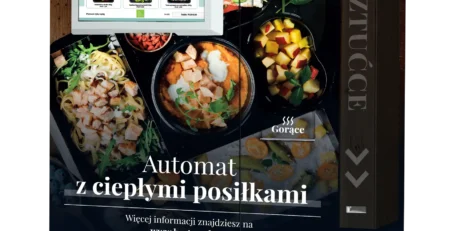
The food vending industry is undergoing a real revolution. We are no longer talking only about packaged snacks and drinks, but about hot food vending machines – compact kitchens capable of serving lunch or dinner in just a few minutes.
In this complete guide, we will analyze how a hot food vending machine works, the technologies behind it, the benefits for operators and consumers, and why this solution is spreading more and more in cities, offices, and public spaces.
What is a hot food vending machine?
A hot food vending machine is a system that safely stores meals, heats or cooks them at the time of order, and delivers them to the customer ready to eat.
Key features:
-
Refrigerated or frozen food storage.
-
Integrated heating and cooking modules.
-
User-friendly, multilingual interface.
-
Digital payments and remote management.
In short, it is a 24/7 automatic restaurant, perfect where canteens, cafeterias, or traditional kitchens are not available.
How does a hot food vending machine work?
1. Storage
Meals are pre-loaded inside the vending machine in sealed containers and kept at controlled temperature, following HACCP standards.
2. Ordering and payment
The customer selects the dish on a touchscreen display and pays via cash, credit/debit card, or contactless systems such as Apple Pay or Google Pay.
3. Internal retrieval
A robotic arm or automated mechanism picks up the selected meal from the refrigerated compartment.
4. Heating or cooking
The meal is transferred to the cooking module (industrial microwave, convection oven, or induction system).
5. Delivery
In just a few minutes, the customer retrieves the hot, ready-to-eat meal from the pickup compartment.
Main components of a hot food vending machine
External structure
Robust stainless-steel frame, tempered glass, and LED lighting.
Refrigeration system
Keeps meals fresh between 0°C and +4°C or frozen down to -18°C.
Heating system
Can use several technologies:
-
Industrial microwaves for speed.
-
Convection ovens for uniform heating.
-
Induction for energy efficiency.
-
Infrared for browning.
Robotic handling system
Moves meals from storage to the cooking module.
User interface
Touchscreen with images, ingredients, allergens, and multilingual options.
Payment systems
Compatible with cash, cards, QR codes, and apps.
Management software
Allows operators to monitor sales, stock levels, and maintenance remotely.
Types of meals available
A hot food vending machine can serve:
-
Ready-made packaged meals: lasagna, risotto, baked pasta.
-
Hot snacks and pizzas: slices, focaccias, calzones.
-
Fresh pasta and soups: cooked or heated on demand.
-
Sandwiches and burgers: with toasted bread.
-
International cuisine: ramen, curry, ethnic meals.
-
Gourmet dishes: chef-prepared recipes in protective packaging.
Benefits of hot food vending machines
For operators
-
24/7 continuous operation.
-
No dedicated staff required.
-
Remote control and telemetry.
-
Scalable and modular investment.
For consumers
-
Hot meals available anytime.
-
Competitive prices compared to restaurants.
-
Speed and convenience.
-
Wider choice than traditional snack vending.
Challenges and limitations
Despite the many advantages, hot food vending machines face some challenges:
-
Frequent restocking needed.
-
Slightly longer heating times than snacks.
-
More complex maintenance.
-
Cultural skepticism in some markets.
Innovations in the sector
The future of hot food vending machines includes:
-
Artificial intelligence for personalized menu suggestions.
-
Automated kitchen containers cooking fresh meals on site.
-
Integration with food delivery apps.
-
Eco-friendly packaging and reduced waste.
Best locations for hot food vending machines
These machines are ideal in:
-
Hospitals and clinics – 24/7 meals for staff and visitors.
-
Universities and campuses – quick solutions for students.
-
Airports and stations – fast alternatives to restaurants.
-
Companies and offices – replacing traditional canteens.
-
Hotels without a restaurant – late-night service for guests.
-
Urban centers – always-available automatic restaurants.
Conclusion
The hot food vending machine is a technology that combines convenience, efficiency, and innovation. It is not just a machine that heats food, but a real miniature automatic restaurant, capable of running 24/7 without staff.
With technological progress and the growing demand for fast, sustainable, and always-available meals, hot food vending machines are set to become increasingly common in our cities, transforming the way we eat on the go.