

Micro Markets with Food Vending Machines: The Evolution of Autonomous Catering
Introduction
In the world of automated catering, micro markets are among the most significant innovations of recent years. Born as an evolution of traditional vending machines, micro markets combine technology, personalization, and accessibility to offer a new purchasing experience, particularly in the food segment. Designed for offices, companies, gyms, hospitals, universities, and public spaces, micro markets with food vending machines are redefining how millions of people access meals and snacks every day, 24/7.
This article explores the concept of food-focused micro markets, examining their functionality, advantages, technologies, business models, success stories, and future prospects. A complete guide for anyone who wants to understand or invest in this fast-growing sector.
1. What is a Food Micro Market?
1.1 Definition
A micro market is a small autonomous retail area that operates without staff and offers a wide range of food products and beverages through the use of smart vending machines, RFID-equipped shelving, self-service checkouts, and cashless payment systems. Unlike classic vending machines, micro markets offer a wider assortment, better product presentation, and a shopping experience similar to that of a convenience store.
1.2 Core Components
A food micro market typically includes:
-
Smart vending machines for fresh food and snacks
-
Intelligent refrigerated showcases
-
Open shelving with RFID or barcode readers
-
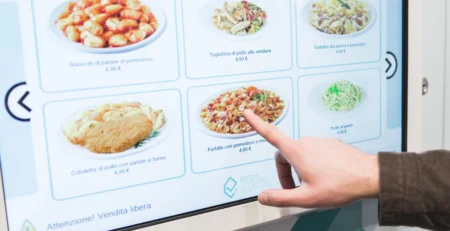
Self-checkout terminals or payment tablets
-
Remote monitoring and analytics systems
-
Surveillance cameras for security and theft prevention
2. How a Micro Market Works
2.1 Access
The micro market can be accessed freely or via company badges, QR codes, or dedicated apps. Some are located in semi-private areas, such as inside offices, companies, or gyms.
2.2 Product Selection
Users can directly take products from shelves or refrigerators. In more advanced systems, smart sensors or RFID detect what has been taken.
2.3 Payment
Payment is made autonomously via:
-
Self-service kiosks
-
Mobile apps
-
Rechargeable corporate cards
-
Credit/debit/contactless cards
-
Digital wallets (e.g., Apple Pay, Google Pay)
Some systems offer automatic checkout without scanning products.
3. Benefits of Micro Markets with Food Vending
3.1 For Companies
-
Improved employee welfare
-
Reduced long breaks
-
No staff required for food service
-
Modern and optimized space
-
24/7 access without service costs
3.2 For Consumers
-
Greater variety than traditional vending
-
Access to fresh, healthy, and varied foods
-
No queues or wait times
-
Fast and intuitive shopping experience
-
Competitive pricing
3.3 For Operators
-
Higher margins compared to traditional vending
-
Remote control of sales, inventory, and temperatures
-
Assortment personalization based on location
-
Easily scalable model
4. Types of Products Offered
4.1 Fresh Foods
-
Ready-to-eat packaged meals
-
Sandwiches and salads
-
Yogurt and fresh desserts
-
Pre-portioned fruit
4.2 Snacks and Drinks
-
Savory and sweet snacks
-
Cold and hot beverages
-
Juices, energy drinks, flavored water
4.3 Healthy and Vegetarian Options
-
Protein snacks
-
Natural smoothies
-
Organic energy bars
-
Gluten-free and lactose-free items
4.4 Local or Gourmet Products
Many micro markets also offer regional, artisanal, or gourmet items to highlight local production.
5. Business Models
5.1 Corporate Micro Market
Installed within a company for employees. Often co-funded by employers as a welfare service.
5.2 Revenue-Generating Micro Market
Placed in public spaces and open to everyone. Generates direct income through product margins.
5.3 Franchise Micro Market
Local operators open micro markets under a franchise, receiving tech and logistics support from the franchisor.
5.4 Residential or Coworking Micro Market
Increasingly common in apartment complexes or shared workspaces, offering 24/7 food access.
6. Technologies and Innovations
6.1 Smart Checkout Terminals
Able to automatically recognize products, apply promotions, and accept multiple payment methods.
6.2 Smart Refrigerators
Unlock after user identification and automatically detect what is taken (via RFID or computer vision).
6.3 Integrated Apps
Allow product reservations, loyalty point collection, product feedback, and budget management.
6.4 Artificial Intelligence
Used to optimize assortment, forecast demand, and reduce food waste.
7. Comparison with Traditional Vending
| Aspect | Traditional Vending Machine | Micro Market with Vending |
|---|---|---|
| Product Range | Limited | Wide and customizable |
| Shopping Experience | Basic, mechanical | Retail-like experience |
| Freshness | Moderate | High (ready meals) |
| User Interaction | Minimal | App, touch screen |
| Customer Loyalty | Difficult | Loyalty programs |
| Average Price | Low | Competitive |
| Operator Revenue | Limited | Higher (greater ARPU) |
8. Case Studies: Successful Micro Markets
8.1 Byte Foods (USA)
One of the pioneers of the “smart fridge” model with RFID and mobile app. Present in over 1,000 business locations in Silicon Valley.
8.2 365 Retail Markets (USA)
365 Retail Markets is one of the world’s largest micro market operators. It offers complete technology solutions for self-service convenience stores in companies, universities, and public facilities. Its ecosystem includes payment kiosks, inventory management software, loyalty apps, and remote control systems. The 365 platform is used in thousands of locations across the United States, Europe, and Latin America, and is known for its reliability, scalability, and customization capabilities.
8.3 Bicom Vending
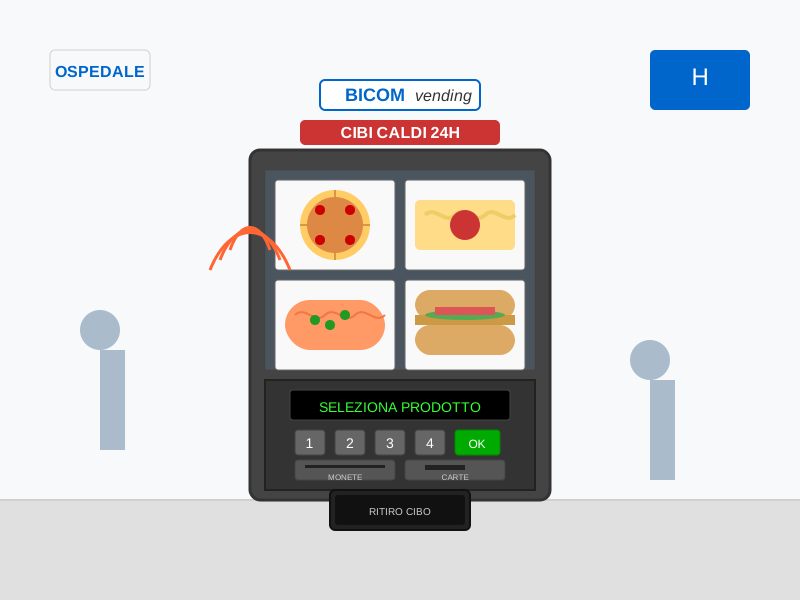
Provides modular vending solutions for 24/7 micro markets offering hot meals. Includes integrated payment systems and temperature-controlled displays.
9. Regulations and Legal Considerations
9.1 Licenses and Permits
A SCIA (Certified Start of Business) is required for food sales, and HACCP compliance is mandatory.
9.2 Food Handling
All products must be properly labeled, stored at safe temperatures, and traceable.
9.3 Security and Surveillance
Video surveillance and anti-theft measures are essential, with GDPR-compliant data protection.
10. Where to Install a Micro Market
Ideal locations include:
-
Companies with over 50 employees
-
Gyms and fitness centers
-
Hospitals and private clinics
-
Universities and high schools
-
Coworking spaces
-
High-end apartment buildings
-
Hotels, B&Bs, and serviced residences
-
Business parks and offices
-
Airports and train stations
11. Costs and Return on Investment
11.1 Initial Investment
-
Smart refrigerators: €3,000 – €6,000
-
Self-service checkout: €1,500 – €3,000
-
Software and license: €50 to €300/month
-
Shelving setup: €500 – €1,000
-
Marketing and launch: €500 – €2,000
Total: €6,000 to €12,000 for a basic micro market.
11.2 Average ROI
ROI depends on:
-
Daily average turnover (€100–€500/day)
-
Gross margin (30%–60%)
-
Low fixed costs
-
Investment recovery in 6 to 18 months
12. Sustainability and Environmental Impact
-
AI helps reduce food waste
-
Compostable or recyclable packaging
-
Lower energy consumption than traditional foodservice
-
No need to move people to food—the food comes to them
-
Ability to offer organic and local products
13. The Future of Micro Markets
13.1 Integration with Delivery
Micro markets may become hubs for last-mile delivery or takeaway food.
13.2 AI-Powered Personalization
Platforms that suggest products based on habits, seasonality, allergies, or dietary preferences.
13.3 Robotics and Automation
Some prototypes already include robotic arms to prepare or serve meals.
13.4 Expansion in Transport Sectors
Micro markets installed on trains, long-distance buses, or smart rest areas.
Conclusion
Micro markets with food vending machines represent the perfect blend of automation, flexibility, and responsiveness to the evolving food needs of modern society. They offer real solutions for companies, vending operators, and consumers, promoting a new way to enjoy meals and snacks on the go. With a rapidly growing market, continuous technological innovation, and attractive ROI, this model is set to play a central role in the evolution of autonomous catering.