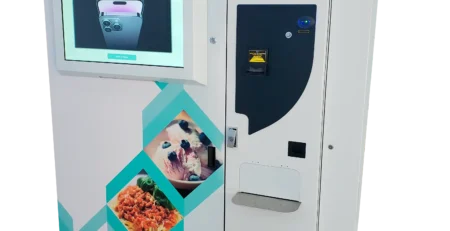


Food Vending Machines in Unusual Places: Automatic Food Where You Least Expect It
1. Introduction: When Vending Meets the Unexpected
When we think of food vending machines, the image that often comes to mind is the same: a machine in an office, a school, a train station, or a hospital. Safe, high-traffic locations where people expect to find a vending machine.
But what happens when a vending machine appears somewhere you’d never expect?
In recent years, the concept of vending has evolved far beyond the simple “snack at your fingertips.” Today, vending machines can deliver complete meals, fresh or hot, maintaining high hygiene standards and ensuring 24/7 availability.
This makes them perfect for serving places where traditional catering doesn’t reach—not because there’s no demand, but because high costs or logistical challenges make it impractical.
In this article, we explore unusual places for food vending, analyzing why they work, the challenges they pose, and how to turn them into a business opportunity. From mountain peaks to remote beaches, from marinas to secluded campsites: vending can be the invisible answer to very real needs.
2. Why Choose Unusual Locations
Placing a vending machine somewhere no one expects it is not just a creative choice—it’s a market strategy with clear advantages.
2.1 Low presence of traditional food service
Many remote or specific places lack nearby cafes, restaurants, or minimarkets. A food vending machine becomes the only available source of food, earning an essential role.
2.2 Latent demand with high conversion rates
In contexts where food is scarce, the conversion rate (the number of passers-by who buy) is much higher compared to urban locations, where alternatives abound.
2.3 Surprise effect and perceived value
Finding a hot meal or snack in a place where you expect nothing creates a positive emotional impact, boosting satisfaction and word-of-mouth.
2.4 Higher margins
With no direct competition, a small premium price can be applied, which customers are willing to pay for convenience.
2.5 Viral marketing
Vending machines in unusual locations are photo-worthy and often shared on social media, becoming part of the place’s experience itself.
3. Types of Unusual Locations and Operational Analysis
Here we examine six categories of “out of the ordinary” locations, each with logistical challenges, product recommendations, and real case studies.
3.1 Mountain Lodges and Ski Resorts
Context
High altitude, limited accessibility, seasonal flow of tourists, athletes, and workers. Mountain lodges often have limited hours or days off, leaving visitors without options.
Logistical Challenges
-
Very low temperatures → risk of drinks freezing and component damage.
-
Difficult access for restocking (often by snowmobiles or cable cars).
-
Possible power outages.
Technical Solutions
-
Vending machines with reinforced thermal insulation and anti-freeze systems.
-
Hybrid power supply with solar panels and backup batteries.
-
Remote monitoring to prevent breakdowns.
Recommended Products
-
Hot chocolate, coffee, tea.
-
High-energy snacks (bars, dried fruit, cookies).
-
Hot ready meals in minutes (soups, instant pasta).
Case Study
In Switzerland, some ski resorts have installed vending machines at 2,500 meters altitude, offering hot meals and drinks, integrated into small unstaffed rest areas.
3.2 Beaches and Seaside Resorts
Context
Coastal areas with strong seasonal influx. Often, setting up a permanent kiosk for just a few months is not profitable.
Logistical Challenges
-
Sand and salt can damage components.
-
Direct sun exposure → overheating risk.
-
High humidity.
Technical Solutions
-
Corrosion-resistant structures and dust filters.
-
Shaded covers or refrigerated cabins.
-
Low-consumption cooling systems and internal climate control.
Recommended Products
-
Cold drinks and isotonic beverages.
-
Savory snacks and packaged fruit.
-
Fresh salads and sandwiches (restocked daily).
Case Study
In Australia, some beaches have vending machines dispensing sunscreen, sunglasses, and beach towels, alongside food and drinks.
3.3 Remote Campsites and Nature Parks
Context
Campsites in remote areas, far from supermarkets or restaurants. Mixed audience: families, hikers, RV travelers.
Logistical Challenges
-
Limited or no electricity supply.
-
Seasonal access or dirt roads.
-
Security against vandalism and wildlife.
Technical Solutions
-
Off-grid vending with solar panels and lithium batteries.
-
Shockproof and animal-proof structures.
-
Cashless payment systems.
Recommended Products
-
Long-shelf-life foods (dry pasta, ready soups).
-
Disposable barbecue kits.
-
Drinks and energy snacks.
Case Study
In Canada, some campsites offer “campfire kits” via vending: marshmallows, chocolate, cookies, and compressed firewood.
3.4 Tourist Marinas and Harbors
Context
Docking points for yachts and boats, with seasonal flows and high-profile tourists.
Logistical Challenges
-
Constant humidity and salt exposure.
-
Limited dock space.
-
Specific harbor regulations.
Technical Solutions
-
Anti-corrosion coatings.
-
Placement in covered areas.
-
Connection to harbor’s electrical network.
Recommended Products
-
Fresh groceries for onboard meals: bread, fruit, packaged meats.
-
Premium drinks and canned wines.
-
Ready-to-heat meals for on-board consumption.
Case Study
In Spain, some marinas have vending machines with local specialties for boaters, such as fresh gazpacho and packaged tapas.
3.5 Remote Industrial Zones
Context
Industrial areas far from towns, with shift workers, including night shifts.
Logistical Challenges
-
Safety in dusty or noisy environments.
-
Restocking during operational hours.
-
Need for complete meals.
Technical Solutions
-
Rugged vending with dust filters.
-
Fast-dispensing systems for short breaks.
-
Assortment designed for hearty meals.
Recommended Products
-
Hot meals (pasta, rice, main courses).
-
Protein snacks.
-
Energy drinks and coffee.
3.6 Outdoor Events and Festivals
Context
Concerts, fairs, and gatherings in places without permanent services.
Logistical Challenges
-
Fast setup and removal.
-
Independent power supply.
-
Managing demand peaks.
Technical Solutions
-
Mobile vending on wheels.
-
Portable solar panels or generators.
-
Extra storage capacity.
Recommended Products
-
Cold drinks and packaged snacks.
-
Ready-to-eat street food.
-
Water and isotonic beverages.
4. Key Technologies for Challenging Installations
Placing a food vending machine in an unusual location means designing for resilience in extreme conditions.
4.1 Autonomous Power
-
Solar panels for remote locations.
-
Lithium batteries for nighttime or cloudy days.
-
Hybrid generators for backup.
4.2 Weather Resistance
-
Anti-corrosion coatings.
-
Thermal insulation for extreme temperatures.
-
Seals and dust filters.
4.3 Remote Connectivity
-
4G/5G SIM for live stock and sales monitoring.
-
Satellite link where there’s no mobile signal.
-
Management software for alerts.
4.4 Cashless Payments
-
Card and smartphone payments.
-
QR code purchases.
-
Prepaid digital wallets.
4.5 Safety and Security
-
Anti-vandal steel structures.
-
Shatterproof glass.
-
Alarm systems.
5. Marketing and Communication Strategies
In unusual places, communication is part of the service.
5.1 Digital Mapping
-
Pin location on Google Maps and Apple Maps.
-
List on TripAdvisor as a “local service.”
-
Dedicated web page with GPS coordinates.
5.2 On-Site Communication
-
Signage at strategic points (trailheads, campsite entrances).
-
Partnerships with local lodging to promote the machine.
5.3 Social Storytelling
-
Share the vending’s story with scenic photos.
-
Show installation in extreme locations.
-
Encourage hashtags and user-generated content.
5.4 Targeted Promotions
-
Time-based discounts.
-
Themed bundles (e.g., “Hiker’s Kit” with snack + drink).
-
Rewards for repeat customers.
6. Legal and Permit Considerations
6.1 Installation Permits
-
Public land: municipal authorization.
-
Protected areas: park authority approval.
-
Private property: concession contract.
6.2 Food Safety Regulations
-
HACCP compliance.
-
Temperature checks.
-
Remote expiry date tracking.
6.3 Safety and Liability
-
Third-party liability insurance.
-
Electrical and structural compliance.
-
Instructional and emergency contact signage.
7. Conclusion: The Future of Out-of-the-Box Vending
Food vending machines in unusual places are one of the sector’s most exciting frontiers. They’re not just dispensers—they’re autonomous dining points extending food service into unreachable areas.
From snowy peaks to sunny beaches, from busy marinas to open-air festivals, out-of-the-box vending combines:
-
Service: meets real, immediate needs.
-
Innovation: uses adaptive tech to withstand any condition.
-
Experiential marketing: turns a purchase into a memory.
For entrepreneurs, this niche offers above-average returns and a dynamic, modern brand image.
In the future, with mobility and accessibility becoming central, the demand for automatic food in remote areas will only grow.
And maybe, in a few years, it will be perfectly normal to find a hot meal or healthy snack… even in the heart of a desert or atop a windswept cliff.