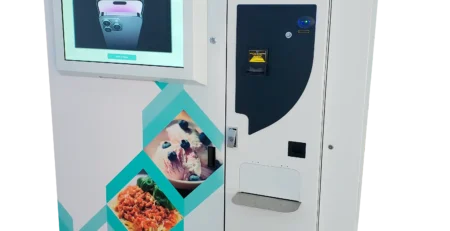


Food Vending Machine: Perspectives for 2026
Introduction
The global vending machine landscape has entered a transformative era. What was once a simple industry focused on dispensing snacks and sodas now encompasses smart, connected food units capable of delivering fresh meals, healthy options, and even branded restaurant experiences. As we approach 2026, operators, investors, and innovators alike are exploring how food vending machines can adapt to evolving consumer demands, technological innovation, and competitive retail landscapes.
In this comprehensive article, we deep-dive into macro trends, technology adoption, market forecasts, new food offerings, operational strategies, and the future potential of the food vending business.
1. Market Overview: Growth and Scale, Expectations for 2026
Food vending machines are part of the broader global vending machine market, which is projected to grow steadily through the next decade:
-
The global vending machine market was valued at over $22.6 billion in 2025 and is expected to reach approximately $23.9 billion in 2026.
-
Market analyses estimate a compound annual growth rate (CAGR) of over 6.5 % from 2026 to 2035, reflecting robust long-term demand.
-
There’s variation in estimates, with some research pointing to a global vending market steadily rising at a 2.9 % CAGR from 2026 onward.
While figures differ across reports due to methodological and segment differences, they all signal ongoing market expansion. This growth isn’t uniform: Asia-Pacific, North America, and Europe remain major hubs of innovation and deployment, each driven by different consumer behaviours and regulatory environments.
Within this landscape, food and beverage vending continues to be a key segment — melding convenience of quick-service formats with automation, connectivity, and evolving tastes.
2. The Evolution of Food Vending
Once dominated by chips, candy, and cold drinks, the vending landscape has diversified:
2.1 Beyond Traditional Snacks
Consumers today expect more than packaged snacks. Growth areas include:
-
Fresh and healthy meals — salads, wraps, balanced meal boxes with high-quality ingredients.
-
High-protein or functional foods — catering to fitness lifestyles and nutritional needs.
-
Artisanal coffee and specialty beverages — premium brews without the coffee shop wait.
These changes reflect broader food trends: consumers are increasingly health-conscious and willing to pay for quality, convenience, and novelty.
2.2 Hot and Fresh Food Delivery
One of the most pronounced trends is the shift toward hot and fresh food vending — a step up from traditional cold options:
-
Machines that dispense prepared meals — from pasta to pizzas — are gaining traction, especially in urban centers and high-traffic areas. For example, fresh pasta vending machines in San Francisco have been introduced as affordable, ready-to-cook meal solutions.
-
Pizza vending machines capable of cooking pies on demand are expanding across parts of the United States, pushing the boundaries of what automated retail can offer.
These innovations demonstrate how vending technology can emulate quick-service restaurant offerings, blurring traditional boundaries between kitchen and kiosk.
3. Technological Drivers of Growth
Technology is at the heart of the current evolution. Food vending machines are no longer mechanical coin-operated boxes — they are smart, connected, data-driven platforms.
3.1 Connectivity and Smart Monitoring
Internet of Things (IoT) technologies are transforming machine management:
-
Real-time inventory monitoring improves efficiency and reduces out-of-stock issues.
-
Cloud connectivity enables remote diagnostics, price updates, and usage analytics.
Connectivity also enables dynamic pricing, responsive to demand patterns — much like retail e-commerce.
3.2 AI and Personalized Experiences
Artificial intelligence is beginning to play a role:
-
Some machines can track purchasing patterns and tailor recommendations to customer preferences.
-
Computer vision and sensor technologies create “grab-and-go” experiences, where customers simply take items and payments are processed automatically without traditional checkout interactions.
As AI becomes more capable, vending machines can transition from static stock dispensers to analytical retail partners that learn and optimize for location, time, and customer profile.
3.3 Cashless and Contactless Payments
Cashless transactions have become the standard in many markets, especially in 2025–2026:
-
Over 60 % of consumers prefer self-service and cashless retail options.
-
Machines increasingly support mobile wallets, contactless cards, and app-based payments.
This preference aligns with broader societal shifts toward digital payments and frictionless purchasing.
3.4 Smart Energy and Sustainable Operations
Sustainability isn’t just a buzzword — it’s a business advantage. New units are adopting energy-efficient designs, eco-friendly refrigerants, and optimized stocking algorithms to reduce waste and operating costs.
Operators that align with environmental values can attract consumers who prioritize sustainability and corporate responsibility.
4. Consumer Behavior and Demand Shifts
Understanding end-user behaviour is essential for successful vending strategies.
4.1 Convenience Culture
Today’s consumers — especially millennials and Gen Z — value convenience highly.
-
Urban dwellers, students, office workers, and travelers often seek quick, quality food options without waiting in line or breaking routine.
-
Vending machines located in high-footfall environments like campuses, transit hubs, and healthcare centers can tap into this need.
4.2 Health and Wellness
Healthy, better-for-you products are growing faster than traditional junk food offerings:
-
Demand for nutritionally balanced meals and snacks is pushing operators to rethink assortments.
-
“Functional” snacks with high protein, low sugar, or clean ingredients resonate with health-oriented consumers.
This trend parallels broader retail and foodservice movements toward transparent labeling and healthier choices.
4.3 Price Sensitivity and Value Perception
While consumers appreciate convenience, pricing still matters:
-
Unlike impulse snack purchases, fresh and premium foods command higher prices — which requires careful balancing to maintain sales volume.
-
Operators must position product pricing to reflect perceived value relative to traditional quick-service restaurants.
5. Strategic Applications: Where Food Vending Thrives
Choosing the right deployment environment can make or break a vending initiative.
5.1 Workplaces and Office Hubs
Offices remain attractive because:
-
They offer predictable foot traffic.
-
Employees value quick meals and beverages without leaving the building.
-
Proximity to break areas or cafeterias creates natural consumption zones.
However, hybrid work trends are reshaping office traffic patterns, meaning operators must be adaptive and location-responsive.
5.2 Transit and Transportation Hubs
Train stations, airports, and bus terminals are ideal because of continuous flow:
-
Travelers often seek quick food solutions between journeys.
-
Machines offering fresh sandwiches, salads, and hot options perform well during peak times.
5.3 Educational Institutions
Schools and universities offer high density of consumers with repetitive demand cycles:
-
Students need affordable, fast meals between classes.
-
Smart machines can shift assortments by time of day — for breakfast, lunch, and snacks.
5.4 Healthcare and Public Service Locations
Hospitals and civic centers are increasingly integrating vending as part of service offerings:
-
Staff, visitors, and patients often lack convenient food options.
-
Machines stocked with healthier meals and beverages see steady demand.
Non-traditional use cases — like distributing public health supplies — also illustrate how vending can serve broader community needs.
6. Innovations Redefining the Space
Innovation continues at a breakneck pace. Here are a few forward-looking concepts:
6.1 Experience-Driven Vending
Machines that do more than dispense products — they engage customers.
For example, vending units that leverage robotics or personalization techniques (such as 3D chocolate printers showcased at CES 2026) demonstrate how vending can become an interactive experience, not just a transaction.
6.2 Branded and Franchise Machines
Major food brands have begun experimenting with vending formats. A case in point is Chick-fil-A’s pilot vending machine offering branded menu items, combining convenience with brand loyalty.
Such initiatives suggest foodservice players view vending as an extension of their distribution footprint.
6.3 Micro Markets and Hybrid Retail
Micro markets blend traditional vending automation with open-shelf formats and self-checkout kiosks, offering a broader product range, higher average ticket per visit, and enhanced customer choice.
These formats are especially suitable where space permits and customer expectations lean toward retail-like browsing.
7. Challenges and Barriers to Scale
Even with opportunity, operators face hurdles:
7.1 High Initial Costs
Smart, food-focused units — especially those with temperature control or robotics — require higher upfront investment.
Financing, lease agreements, or revenue-sharing models can help mitigate this challenge.
7.2 Maintenance and Technical Complexity
As machines become more complex, so does the need for skilled maintenance:
-
Refrigeration, sensors, digital interfaces, and robotics all require regular servicing.
-
Downtime and technical issues can erode profitability if not managed properly.
Operators must invest in robust service networks and management protocols.
7.3 Food Safety and Freshness
Fresh food means shorter shelf life and greater complexity in inventory rotations — especially for perishable meals. Effective real-time monitoring and stock forecasting are essential.
7.4 Competitive Landscape
With growth comes competition — both from traditional quick-service restaurants and evolving vending operators. Standing out requires differentiation, branding, and strong location intelligence.
8. Financial Considerations: Revenue and ROI
Food vending can present strong revenue streams when properly executed.
-
Higher-priced items like full meals yield greater revenue per transaction than traditional snacks.
-
Strategic assortment and predictive stocking can increase average ticket size and reduce shrink.
However, operators must balance revenue potential with cost management, especially regarding stocking, waste control, and machine servicing.
9. Regional Insights: Who’s Leading the Charge?
Global research points to varying regional dynamics:
-
North America often leads in adoption of smart technologies and premium touchpoints, driven by strong payments infrastructure and consumer demand for convenience.
-
Asia-Pacific shows rapid growth in automation due to dense urban populations and strong IoT integration.
-
Europe emphasizes sustainability, data regulation compliance, and nuanced consumer preferences.
Understanding local tastes, regulatory environments, and payment behaviours is critical for success in new markets.
10. What’s Next After 2026? Emerging Opportunities
Looking toward the late 2020s and beyond, several trends are poised to shape the future:
10.1 AI-Driven Decision Systems
As AI becomes more embedded, vending machines may autonomously tailor products by location, time, and customer behaviour — essentially becoming retail AI agents.
10.2 Autonomous Delivery Integration
Machines may integrate with autonomous delivery or robotics for replenishment or last-mile fulfillment in dense urban centers.
10.3 Broader Automation Ecosystems
Vending may become part of automated retail networks, linked with locker systems, micro-fulfillment centers, and smart logistics.
Conclusion
The food vending machine industry is no longer a static, snack-centric sector. It is undergoing a reinvention driven by technology, consumer preference shifts, and new use cases that challenge tradition. By 2026, operators who embrace connectivity, personalization, premium offerings, and strategic placement will shape the next chapter of automated food retail.
From fresh meals and healthy options to smart AI-driven machines and experiential formats, the future of vending promises convenience, innovation, and profitability — for those willing to adapt and invest in the trends redefining automated food commerce.